We specialize in creating and optimizing websites for businesses of all sizes, from early-stage startups to Fortune 500 companies. We deliver tailored solutions, expert insights, and efficient results to help them achieve their business goals.
Series of visual concepts for improving the user experience
Marketing website for a subsidiary of the CBRE Group's co-working space company
Iconography design for a payments infrastructure company with 250M+ API request per day
Official Apple tvOS app user interface development
Official Firefox rebrand and ongoing support for design projects at Mozilla
Brand identity design for an internal App Store by Universal Music
Visual identity for Adobe-owned company products
Ongoing design support for the leading destination for company insights
Designing a motion identity for Opera
Brand and marketing design support for an open source data structure server company
Ongoing design and development collaboration with an enterprise identity provider
Iconography guidelines, assets and web design for a digital forensics solution company
Redesign of the support portal and 30% improvement in users’ ability to get the answers they want
Design for a membership-based healthcare system
Iconography for a secure workspace software company with over 16 million cloud users
Rebranding for an open-source web testing platform with 5 million weekly downloads
Design for the world's first audio word processor
Brand identity for a secure data onboarding solution that processed more than 25 billion records
Website design for a B2B data provider platform with over 50 million company records
Brand identity and website for a tool used by over 80% of Fortune 50 companies' machine learning teams
Rebranding an e-commerce solution used by 180,000 entrepreneurs
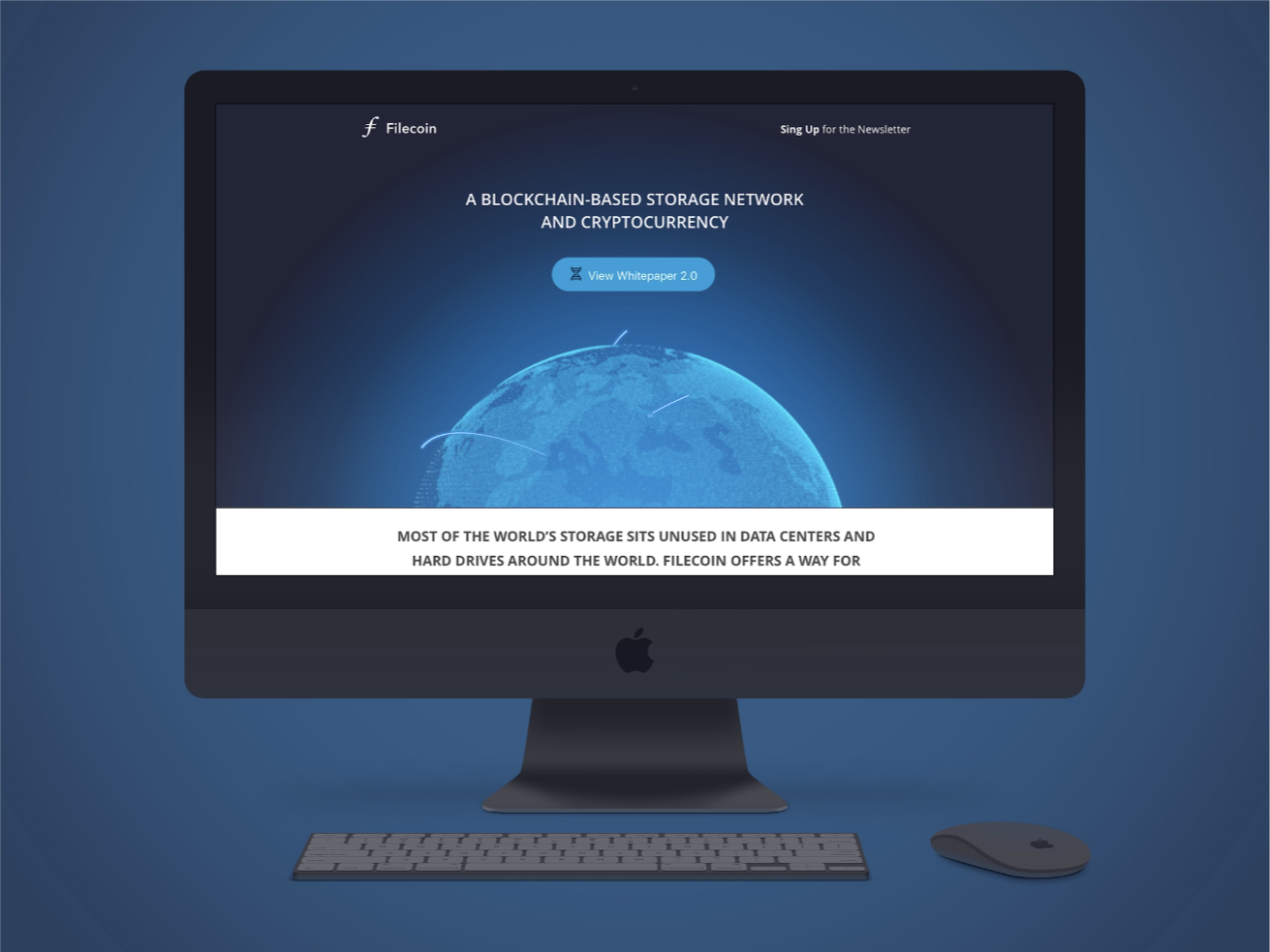
Website for a blockchain data storage network that raised more than $250M+ at ICO
Rapid prototyping for an accounting software company with over 3.7 million subscribers
UX design for a medical group and technology company with a network of nearly 140,000 licensed doctors
Iconography design system for 500 million users around the world
Ongoing UX design and CRO for child care and education company with more than 200,000 children enrolled
Developing micro-interactions for the Lightning Design System
Marketing website for the cross channel marketing platform
Brand identity for a multi-chain crypto trading and liquidity hub with $10B+ in trading volume
The website traffic has been growing month over month since the launch date. Stakeholders, and executives are happy with the project. Ramotion was fast and efficient without sacrificing quality. Their team of designers and developers brought our vision to life and we are thankful for their expertise.
Dan Brown
Senior Marketing Manager at Mozilla
We built a wait list of over 100,000 email addresses when we were launching our product, and they had a hand in helping us to pull web designs together and build the product after that point. Now, we have thousands of happy customers and testimonials from them. One of my favorite quotes from one of our cardholders says, “You guys rock the user experience.” I think a lot of that has to do with the design of the website and mobile app, and Ramotion has had a pretty good, solid hand in that stuff.
Andrew Cramer
Vice President, Digital Finance at Goldman Sachs, formerly Head of Cards at Final
We partnered with Ramotion to redesign our entire marketing site from the ground up—new pages, messaging, graphics, and visual identity. Operating under an extremely tight timeline, they seamlessly integrated into our team and delivered at every phase of the project. The end result was a beautiful, functional, and high-converting website.
Nick Wentz
VP Marketing at Clearbit
They’re very responsive and go above and beyond to meet our needs. We continue working with them, which is the best sign of our satisfaction.
Andrew Mason
CEO at Descript
Ramotion was an excellent partner to BTR Energy and provided exactly what we needed: all encompassing support developing a brand and a website design that reflects our mission and values. The Ramotion team deftly guided us through a thorough process that helped us identify what was really important and resulted in an awesome outcome.
Jack Barrow
CEO at BTR Energy
Ramotion is a rock solid team. They combine an innate instinct for good design with a keen understanding for real world business challenges.
Khoi Vinh
Senior Director of Product Design at Adobe
1 / 6
Leadership team
Senior Ramotion leaders guide web design projects across strategy, creative direction, UX, and technical execution, helping startup, SaaS, and enterprise teams turn complex products into clear, scalable website experiences.
Aligning design objectives with a brand’s mission and goals ensures a cohesive, impactful website.
Through strategic workshops and discovery, we explore the brand’s identity and audience, reviewing brand guidelines, customer personas, and market positioning. This forms a framework for informed design decisions, including typefaces, color palettes, navigation, and layout.
Collaborating with stakeholders, we align on objectives, priorities, and expectations to minimize misalignment. Competitor analysis and industry benchmarks help identify differentiation opportunities.
By understanding user behavior, we create a design strategy that balances usability, emotional connections, and conversions. The result is a cohesive vision integrating brand identity and user experience into a strategic design framework.
A website audit is a comprehensive evaluation uncovering opportunities to improve usability, performance, accessibility, and visual identity. It provides actionable insights into website performance and identifies barriers to user engagement and business growth.
Using tools like Lighthouse and heatmaps, we analyze metrics such as load times, navigation paths, and user interactions. The audit assesses how well the design reflects the brand’s identity and supports the user journey, with accessibility evaluated against WCAG standards.
The audit identifies "low-hanging fruits" like optimizing image sizes or refining calls-to-action for immediate impact. It also highlights long-term improvements such as restructuring navigation or updating outdated visual elements.
Clients receive a detailed report with findings, prioritized recommendations, and actionable next steps, forming a foundation for impactful website enhancements.
Not every website needs a full redesign. A targeted website refresh delivers quick results with minimal disruption by addressing specific pain points without altering the core structure. Strategic updates like refining navigation, optimizing page load speeds, or enhancing visual hierarchy create measurable improvements for users and stakeholders.
This service starts with assessing performance, usability, and design elements to identify areas for improvement, such as reducing friction in user flows or updating outdated visual elements. Simple changes like adjusting font sizes or rebalancing content spacing improve readability, while performance optimizations like compressing images or minifying code enhance speed.
A website refresh is ideal for businesses preparing for events like product launches or conferences, or those extending an existing website’s lifespan while planning a future redesign. The goal is to achieve quick wins and measurable improvements without the time and cost of a full-scale project.
Information architecture and copywriting are essential for an effective website, making content intuitive, accessible, and engaging. By understanding the brand’s tone of voice, audience needs, and business goals, we structure information with a clear sitemap and user-friendly hierarchy. This simplifies navigation and aligns with user expectations to deliver a seamless digital experience.
Copywriting complements the architecture by crafting engaging, brand-aligned content, from attention-grabbing headlines to action-driving calls-to-action.
Collaboration ensures the final output meets user needs and supports strategic goals. Together, these elements create a user-centric and business-focused website.
Website concept development is a creative yet strategic process that establishes the visual and structural foundation of a website. It starts with identifying the brand’s core values and emotional goals, translating them into design hypotheses that match the audience’s preferences.
Multiple drafts explore layout, color palettes, typography, and user flows, ensuring alignment with the brand’s identity and objectives.
Concepts are tested with tools like Lyssna.com to gather user feedback, validating the design direction. Consistent content across drafts focuses feedback on visual and structural elements.
This process creates a clear, actionable framework for later phases, making it especially valuable for rebranding or launching a new digital presence. The result is a stunning, functional website that aligns with business and user goals.
Full website creation is an end-to-end service delivering a cohesive digital presence tailored to the client’s goals and audience. It begins with strategic alignment to reflect the brand’s mission and vision while achieving business objectives. A scalable information architecture organizes content for seamless navigation and engagement.
The design phase develops a comprehensive visual identity, including custom UI kits, responsive layouts, and interactive elements. Emphasizing accessibility and performance, the development phase builds a responsive, high-performing website optimized for diverse platforms. Rigorous testing ensures functionality and consistency before launch, creating a scalable, visually appealing website that drives engagement and supports long-term growth.
A web design system provides a reusable framework for simplifying updates and ensuring visual consistency. Built on atomic design principles, it organizes UI elements like buttons, typography, and color palettes into scalable modules, enabling efficient creation of pages. This is especially valuable for organizations with evolving digital ecosystems, reducing resources needed for expansion while maintaining a cohesive user experience.
The process involves identifying core design components, assembling them into patterns and templates, and testing for usability and consistency. Accompanied by detailed documentation and training, the system empowers teams to maintain and expand websites confidently. A well-implemented design system streamlines workflows, enhances collaboration, and supports long-term growth by aligning with the brand’s identity and user expectations.
Conversion Rate Optimization (CRO) is a data-driven process to enhance user engagement and achieve business outcomes. Using tools like Crazy Egg and VWO, CRO identifies friction points such as abandoned carts or low click-through rates. Data-driven hypotheses refine elements like call-to-action buttons, navigation flows, or page layouts.
A/B testing compares webpage variations to validate improvements, such as testing headlines for higher sign-ups. CRO is especially valuable for high-traffic websites, where small changes yield significant gains. This iterative approach ensures continuous improvement, aligning the user experience with key performance indicators and evolving market trends.
Building websites that not only look great but also rank high in search engines, driving organic traffic.
Implementing robust e-commerce solutions, allowing you to sell products and services online with ease.
Providing intuitive CMS platforms that give you full control over your website's content without coding.
Connecting analytics tools to track website performance and make informed marketing decisions.
Website maintenance ensures a website stays secure, functional, and aligned with business goals. This service includes routine updates, performance monitoring, bug fixes, and proactive quality assurance testing to address potential issues. A dedicated project manager coordinates efforts across development, design, and QA teams.
Key aspects include performance optimization, fast-loading operations, security updates, and minor design or content updates. These efforts keep the website fresh and competitive. By ensuring consistent performance and user satisfaction, maintenance allows businesses to focus on core activities while maintaining a reliable digital presence.
Integrations with third-party services enhance a website's functionality, connecting tools like analytics platforms, customer support systems, or payment gateways. The process starts with assessing client needs and selecting suitable tools. Our team handles technical integration to ensure seamless compatibility and smooth operation.
Examples include embedding a Zendesk portal for support or integrating e-commerce platforms for online transactions. Customization aligns these tools with the brand’s identity and user expectations, improving functionality and the user experience. Post-integration support ensures systems remain efficient and responsive, maximizing value for the client.
The process begins with understanding the client’s brand, goals, and challenges, aligning stakeholders and setting a clear direction. Through workshops, interviews, and discussions, we define design objectives that align with the brand’s mission, vision, and values while meeting business goals.
We review brand guidelines, customer personas, and market research, benchmarking competitors to identify differentiation opportunities. Using structured exercises, visual preferences like tone and color warmth are defined to streamline communication and reduce disagreements. The result is a design strategy document, outlining goals, priorities, and metrics, forming a strong foundation for collaboration and impactful results.
The Audit & Analysis phase evaluates a website's performance, usability, and accessibility, identifying strengths, weaknesses, and improvement areas. Using tools like Lighthouse, heatmaps, and session recordings, we analyze technical performance, user behavior, and site efficiency.
Usability testing highlights navigation issues, inconsistent design elements, and unclear call-to-actions, while WCAG standards guide accessibility evaluations. Performance metrics like page load times and responsiveness uncover bottlenecks. Findings are compiled into a detailed report with prioritized recommendations, from quick fixes like optimizing image sizes to strategies like restructuring navigation. This phase ensures targeted improvements for maximum impact.
The Quick Wins Implementation phase delivers immediate value by addressing low-hanging fruit—targeted improvements enhancing usability, performance, and visual appeal with minimal resources. This step is ideal for achieving quick results like boosting conversion rates or reducing bounce rates.
Based on the audit and analysis, opportunities such as optimizing image compression, simplifying navigation menus, or refining typography are prioritized for impact and ease of execution. Changes like adjusting call-to-action buttons or reorganizing content spacing enhance engagement and user satisfaction. This phase provides immediate benefits while laying the groundwork for comprehensive future improvements.
The Full Website Redesign or Creation phase combines strategy with execution to build a website aligned with the brand’s identity and business objectives. Whether redesigning an existing site or starting from scratch, this phase integrates creativity, technical expertise, and strategic planning.
A scalable information architecture organizes content into intuitive structures, complemented by a cohesive design system for visual consistency. The design phase reflects the brand’s personality through typography, color schemes, and interactive elements, while development ensures a responsive, accessible website optimized for diverse platforms. Rigorous testing and quality assurance deliver a polished launch, resulting in a high-performing website that drives user engagement and supports business goals.
The Design System Handover & Onboarding phase equips the client’s team to manage and scale the website post-launch. A comprehensive design system includes reusable templates, UI components, and detailed documentation to maintain consistency and scalability as the website evolves.
Key elements include training sessions where our team demonstrates using the design system, implementing components, troubleshooting, and updating workflows. Built on atomic design principles, the system organizes elements into scalable modules for easy customization and efficient updates. This phase empowers clients to confidently manage their website, ensuring it aligns with their brand identity and user expectations for long-term success.
Post-launch maintenance ensures a website performs optimally, adapting to business needs and user expectations. This phase includes routine updates, performance monitoring, and technical support, alongside regular quality assurance testing to maintain seamless functionality.
A dedicated project manager coordinates security updates, performance optimizations, and content adjustments, streamlining efforts across teams. This proactive approach minimizes downtime, resolves issues early, and keeps the website aligned with business goals, ensuring a reliable and effective digital presence over time.
Redesign a website that no longer reflects your brand or product
Improve clarity, usability, and conversion without sacrificing visual quality
Launch a new website with a stronger strategic foundation
Build a scalable marketing site with reusable components and governance
Modernise an existing site with focused quick wins before a bigger redesign
We may not be the right fit if you only need:
A one-page visual refresh with no strategic work
Ad-hoc design production without a broader website plan
Purely cosmetic changes with no attention to UX, content, or performance
Why choose us
Senior strategy before design:
Every project starts with positioning, audience needs, page goals, and conversion paths.
Design and development under one roof:
Your website is not just designed in Figma. It is built, tested, launched, and supported.
SEO-conscious structure:
We plan crawlable pages, clean URLs, metadata, headings, internal links, and redirect needs before launch.
Conversion-focused layouts:
We design pages around user intent, trust, objections, proof, and next actions.
CMS your team can manage:
We build websites your team can update without breaking the design.
What your website can do
First impression
Creates a lasting impact, enhancing credibility and trustworthiness from the first interaction.
SEO optimization
Boosts visibility on search engines, driving organic traffic and increasing leads.
Clearer messaging
Visitors should quickly understand who you help, what you do, and why it matters.
User experience (UX)
Enhances navigation and usability, providing an engaging and intuitive experience.
Increased sales
Transforms visitors into customers with optimized layouts and calls to action.
Competitive edge
Differentiates your business with unique, high-quality designs tailored to your audience.
How we create websites that perform
Strategy-first design
Design decisions are based on business goals, audience needs, and conversion intent.
UX & content hierarchy
Every page needs a clear purpose, logical structure, and next step.
Responsive design
The site must work well across desktop, tablet, and mobile.
Accessibility
Design should support readability, contrast, keyboard navigation, and inclusive usage.
Technical SEO
Site structure, headings, metadata, indexability, speed, redirects, and internal linking should be considered before launch.
Conversion psychology
The website should answer objections, build trust, and guide users toward action.
Platforms we work with
We recommend the platform based on your goals, team, budget, integrations, and long-term maintenance needs.
Wordpress
Best for content-heavy sites and flexible CMS requirements.
Webflow
Best for marketing sites and flexible visual editing.
NextJS
A modern React framework for building fast, scalable applications with efficient server-side rendering.
Gatsby
A performant static site generator built on React, ideal for fast-loading Progressive Web Apps.
DatoCMS
A flexible headless CMS that separates backend content management from frontend presentation via APIs.
Web Components
Standards-based technologies for encapsulating complex functionality into custom, reusable HTML elements across modern browsers.
Tailwind CSS
A utility-first CSS framework offering low-level classes for fast styling directly within HTML markup.
Figma
A collaborative UI/UX design tool streamlining workflows with robust prototyping and real-time team communication.
Canva
A cloud-based graphic design platform for rapidly producing visual content and digital marketing assets.
Adobe
An industry-standard suite of creative applications for comprehensive visual brand identity and photo editing.
Bootstrap
An open-source CSS framework providing pre-built components for responsive, mobile-first front-end web development.
Hubspot CMS
Best for marketing and sales teams already using HubSpot.
InVision
A design collaboration software for turning static design models into interactive, animated real-time prototypes.
FAQ
Insights
Additional services
These answers are based on our experience designing and developing websites for startups, SaaS companies, technology brands, and growing digital products. Reviewed by our web design team.
What does a web design agency do?
A web design agency helps plan, design, and improve websites so they are clear, usable, credible, and aligned with business goals. This usually includes strategy, UX design, content structure, visual design, responsive layouts, technical planning, and collaboration with development teams.
Our web design process can also include positioning, copy direction, design systems, and development planning, so the final website is easier to use, easier to maintain, and built to support growth.
How much does it cost to hire a web design agency?
The cost of hiring a web design agency depends on the size of the website, number of pages, UX complexity, CMS requirements, content needs, integrations, motion design, and development scope.
A focused landing page or website refresh usually costs less than a full redesign with strategy, copy, design system, custom development, and migration. The best way to estimate cost is to define your goals, must-have pages, technical requirements, and launch timeline before scoping the work.
How long does a website design project take?
Most professional web design projects take 8–16 weeks, depending on the number of pages, stakeholder reviews, content readiness, technical complexity, and development requirements.
Smaller landing pages can move faster, while larger redesigns, custom CMS builds, or websites with complex integrations may take longer. A clear discovery phase, approved sitemap, and timely feedback help keep the project on schedule.
Do you design and develop websites?
We provide web design and development under one roof. Our team can help with strategy, UX, visual design, copy direction, development collaboration, testing, launch, and ongoing support.
This helps avoid the common gap between a polished design file and a live website that is fast, responsive, SEO-conscious, and easy for your team to manage.
What platforms do you build websites on?
We recommend the platform based on your goals, team workflow, budget, integrations, and long-term maintenance needs.
Our team works with platforms and technologies such as WordPress, Webflow, Next.js, Gatsby, DatoCMS, HubSpot CMS, Tailwind CSS, Bootstrap, Web Components, Figma, Adobe, Canva, and InVision.
Do you offer WordPress web design?
We offer WordPress web design for companies that need a flexible CMS, scalable content management, custom page templates, and a website their marketing team can update after launch.
WordPress is often a strong fit for content-heavy websites, blogs, resource centers, and companies with more advanced publishing or CMS requirements.
Do you offer Webflow web design?
We offer Webflow web design for marketing websites, startup websites, SaaS websites, and teams that want flexible visual editing without relying on developers for every page update.
Webflow is often a good choice when you need a polished marketing site, responsive design, fast iteration, and a CMS that your team can manage.
Do you write website copy?
Website copy can be included through copy direction, messaging hierarchy, page structure, and conversion-focused content planning.
For many projects, copy is developed alongside UX and design so each page clearly explains who you help, what you do, why it matters, and what visitors should do next. This approach helps avoid beautiful pages with unclear messaging.
Is SEO included in web design?
SEO should be considered during web design, not added only after launch.
We plan SEO-conscious website structure, including crawlable pages, clean URLs, metadata, headings, internal links, redirect needs, indexability, speed considerations, and technical SEO basics before launch. This helps the website support organic visibility while still prioritizing a useful experience for visitors.
Can you redesign my existing website?
We can redesign an existing website or improve selected parts of it, depending on what the business actually needs.
If your positioning, structure, and content are still strong, a focused refresh or UX improvement may be enough. If your message, architecture, brand, conversion paths, or CMS no longer support the business, a full redesign is usually the better investment.
Will I own the final website?
Once the project is complete and final payments are settled, you should own the approved website design assets and final implementation according to the terms of the project agreement.
Ownership details can vary depending on the platform, third-party tools, fonts, plugins, hosting, and licensed assets, so we define those terms clearly before work begins.
Can my team update the website after launch?
We design websites with maintainability in mind, including CMS structures your team can manage without breaking the design.
Depending on the platform, your team can update pages, publish content, edit CMS items, add case studies, adjust landing pages, or manage marketing content after launch. Training and documentation can also be included when needed.
Do you provide hosting and maintenance?
Hosting setup, launch support, maintenance, and post-launch improvements can be included depending on the website platform and project scope.
Maintenance may include CMS updates, bug fixes, performance improvements, new page design, content updates, analytics review, and technical support. The right maintenance plan depends on how often your site changes and how much internal support your team has.
Do you work with clients outside your city or country?
We work with clients remotely across cities, countries, and time zones.
The process can be managed through discovery calls, workshops, shared documentation, Figma, project management tools, and regular reviews. This makes it possible to run web design projects efficiently even when the client and agency teams are not in the same location.
How do we get started?
The first step is to share your website goals, current challenges, timeline, and any existing brand, product, or technical requirements.
From there, we can review your current website, clarify the scope, recommend the right platform or approach, and define the next steps. A good kickoff usually covers business goals, target audiences, sitemap, content needs, design expectations, SEO considerations, and launch requirements.