Ramotion helps San Francisco and Bay Area technology companies design marketing websites, product websites, and scalable web experiences that connect brand, UX, visual design, and development-ready systems.
Websites built
120+
Hours of coding
100K+
Years in business
15+
Avg. rating on DesignRush & Clutch
4.9
Featured clients
We specialize in creating cutting-edge, responsive websites for businesses of all sizes, with a focus on San Francisco Bay Area startups and Fortune 500 companies. Our designs help clients achieve their business goals.
Series of visual concepts for improving the user experience
Marketing website for a subsidiary of the CBRE Group's co-working space company
Iconography design for a payments infrastructure company with 250M+ API request per day
Official Apple tvOS app user interface development
Official Firefox rebrand and ongoing support for design projects at Mozilla
Brand identity design for an internal App Store by Universal Music
Visual identity for Adobe-owned company products
Ongoing design support for the leading destination for company insights
Designing a motion identity for Opera
Brand and marketing design support for an open source data structure server company
Ongoing design and development collaboration with an enterprise identity provider
Iconography guidelines, assets and web design for a digital forensics solution company
Redesign of the support portal and 30% improvement in users’ ability to get the answers they want
Design for a membership-based healthcare system
Iconography for a secure workspace software company with over 16 million cloud users
Rebranding for an open-source web testing platform with 5 million weekly downloads
Design for the world's first audio word processor
Brand identity for a secure data onboarding solution that processed more than 25 billion records
Website design for a B2B data provider platform with over 50 million company records
Brand identity and website for a tool used by over 80% of Fortune 50 companies' machine learning teams
Rebranding an e-commerce solution used by 180,000 entrepreneurs
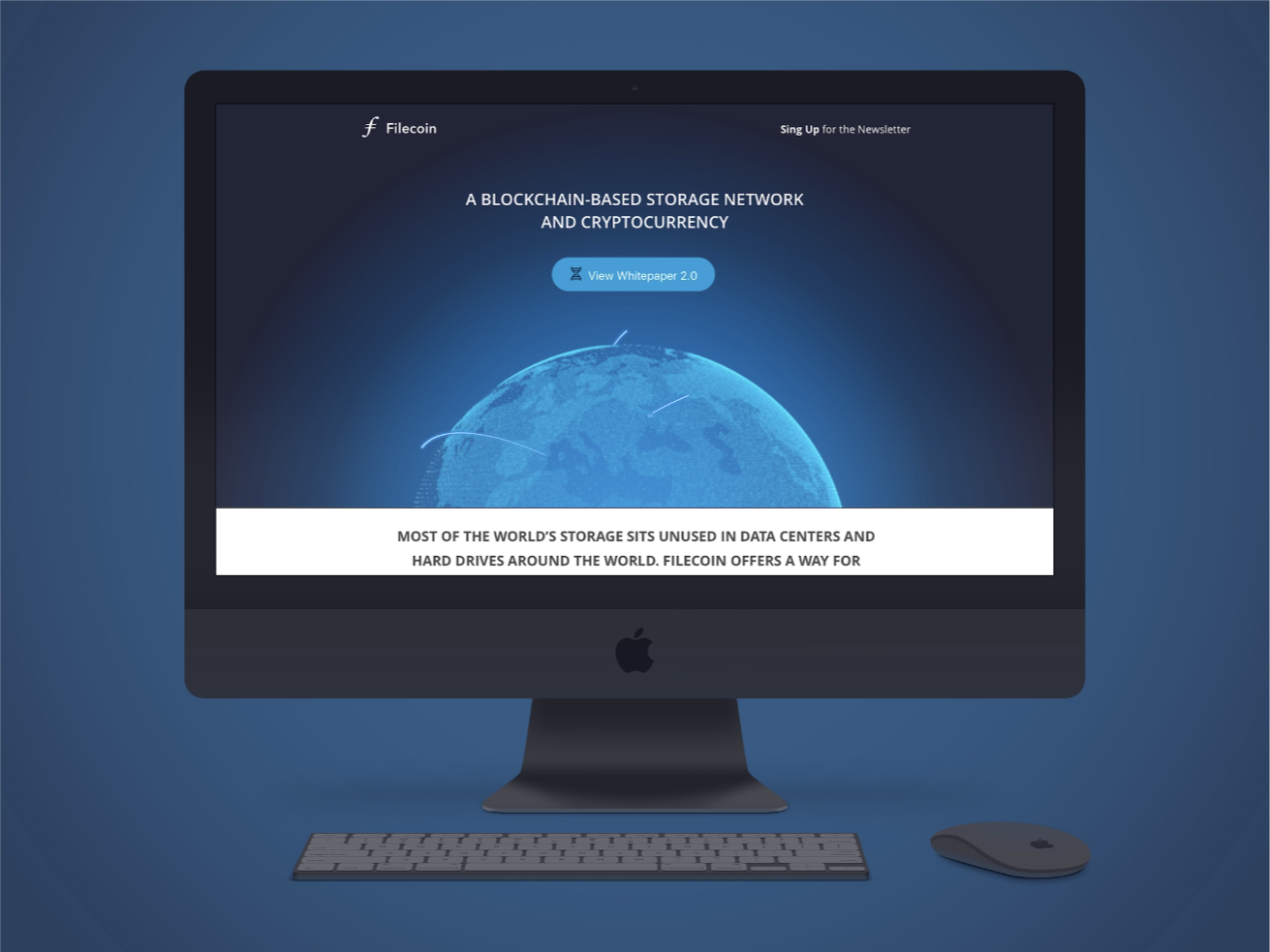
Website for a blockchain data storage network that raised more than $250M+ at ICO
Rapid prototyping for an accounting software company with over 3.7 million subscribers
UX design for a medical group and technology company with a network of nearly 140,000 licensed doctors
Iconography design system for 500 million users around the world
Ongoing UX design and CRO for child care and education company with more than 200,000 children enrolled
Developing micro-interactions for the Lightning Design System
Marketing website for the cross channel marketing platform
Brand identity for a multi-chain crypto trading and liquidity hub with $10B+ in trading volume
The website traffic has been growing month over month since the launch date. Stakeholders, and executives are happy with the project. Ramotion team of designers and developers brought our vision to life and we are thankful for their expertise.
Dan Brown
Senior Marketing Manager at Mozilla (Mountain View, CA)
We partnered with Ramotion to redesign our entire marketing site from the ground up—new pages, messaging, graphics, and visual identity. Operating under an extremely tight timeline, they seamlessly integrated into our team and delivered at every phase of the project. The end result was a beautiful, functional, and high-converting website.
Nick Wentz
VP Marketing at Clearbit (San Francisco, CA)
Their team worked closely with us to understand the highly abstract concepts we wanted to communicate. I have been consistently impressed with the level of craftsmanship and the attention to detail.
Paul Hughes
Senior Designer at Mark Logic (San Carlos, CA)
We built a wait list of over 100,000 email addresses when we were launching our product, and they had a hand in helping us to pull web designs together and build the product after that point. Now, we have thousands of happy customers and testimonials from them. One of my favorite quotes from one of our cardholders says, “You guys rock the user experience.” I think a lot of that has to do with the design of the website and mobile app, and Ramotion has had a pretty good, solid hand in that stuff.
Andrew Cramer
Head of Cards at Final (San Francisco, CA)
It's not easy to stand out in the B2B tech space but with Ramotion's creativity, research-based, and system-design approach, we elevated our brand and design to new levels.
Edu Carneiro
Head of Web Marketing, Brand & SEO at Redis (Menlo Park, CA)
They’re very responsive and go above and beyond to meet our needs. We continue working with them, which is the best sign of our satisfaction.
Andrew Mason
CEO at Descript (San Francisco, CA)
Ramotion is a rock solid team. They combine an innate instinct for good design with a keen understanding for real world business challenges.
Khoi Vinh
Senior Director of Product Design at Adobe (San Jose, CA)
Senior Ramotion leaders guide web design projects across strategy, creative direction, UX, and technical execution, helping startup, SaaS, and enterprise teams turn complex products into clear, scalable website experiences.
San Francisco web design partner for tech companies
Built for Bay Area product culture
San Francisco companies often sell products that are technical, category-defining, or difficult to explain in a few seconds. Ramotion helps turn that complexity into clear website structure, sharp product storytelling, and polished visual systems that support evaluation by customers, investors, partners, and candidates.
Relevant for startup and SaaS buying journeys
A San Francisco technology website often has to serve several audiences at once: first-time visitors, technical evaluators, executive buyers, investors, analysts, partners, and prospective employees. Ramotion designs website experiences that help each audience understand the product, trust the company, and move toward the right next step.
Local presence with a global standard of design
Ramotion’s San Francisco office supports companies that want a design partner familiar with the Bay Area technology market while still expecting agency-level execution across brand, UX, web design, and digital product design.
When to hire Ramotion for web design in San Francisco
Website redesign for a growth-stage SaaS company
Your current website no longer explains the product, market, or buyer journey clearly.
Needed when: positioning, pages, and conversion paths have outgrown the current site.
Related services: Branding, UI design, design systems, web app development.
Web design services for San Francisco startups and technology brands
01
Website strategy and information architecture
What it includes: Sitemap, navigation structure, page hierarchy, content priorities, user flows, and conversion paths.
Why it matters: It helps founders and marketing teams turn a complex product or brand story into a clear website experience.
02
UX design for marketing websites
What it includes: Wireframes, page flows, content hierarchy, user tasks, conversion paths, and responsive behavior.
Why it matters: It lets product marketing teams explain sophisticated offers without forcing users through confusing pages.
03
Visual web design
What it includes: Art direction, page layouts, typography, color, imagery, UI details, and interaction direction.
Why it matters: It creates credibility for technical products and gives marketing pages a recognizable brand system.
04
Website design systems
What it includes: Reusable page sections, components, typography, spacing, UI patterns, and design documentation.
Why it matters: It helps marketing teams launch future pages faster while keeping the website consistent.
Deliverables
Process
Industries
Aligning design objectives with a brand’s mission and goals ensures a cohesive, impactful website.
Through strategic workshops and discovery, we explore the brand’s identity and audience, reviewing brand guidelines, customer personas, and market positioning. This forms a framework for informed design decisions, including typefaces, color palettes, navigation, and layout.
Collaborating with stakeholders, we align on objectives, priorities, and expectations to minimize misalignment. Competitor analysis and industry benchmarks help identify differentiation opportunities.
By understanding user behavior, we create a design strategy that balances usability, emotional connections, and conversions. The result is a cohesive vision integrating brand identity and user experience into a strategic design framework.
A website audit is a comprehensive evaluation uncovering opportunities to improve usability, performance, accessibility, and visual identity. It provides actionable insights into website performance and identifies barriers to user engagement and business growth.
Using tools like Lighthouse and heatmaps, we analyze metrics such as load times, navigation paths, and user interactions. The audit assesses how well the design reflects the brand’s identity and supports the user journey, with accessibility evaluated against WCAG standards.
The audit identifies "low-hanging fruits" like optimizing image sizes or refining calls-to-action for immediate impact. It also highlights long-term improvements such as restructuring navigation or updating outdated visual elements.
Clients receive a detailed report with findings, prioritized recommendations, and actionable next steps, forming a foundation for impactful website enhancements.
Not every website needs a full redesign. A targeted website refresh delivers quick results with minimal disruption by addressing specific pain points without altering the core structure. Strategic updates like refining navigation, optimizing page load speeds, or enhancing visual hierarchy create measurable improvements for users and stakeholders.
This service starts with assessing performance, usability, and design elements to identify areas for improvement, such as reducing friction in user flows or updating outdated visual elements. Simple changes like adjusting font sizes or rebalancing content spacing improve readability, while performance optimizations like compressing images or minifying code enhance speed.
A website refresh is ideal for businesses preparing for events like product launches or conferences, or those extending an existing website’s lifespan while planning a future redesign. The goal is to achieve quick wins and measurable improvements without the time and cost of a full-scale project.
Information architecture and copywriting are essential for an effective website, making content intuitive, accessible, and engaging. By understanding the brand’s tone of voice, audience needs, and business goals, we structure information with a clear sitemap and user-friendly hierarchy. This simplifies navigation and aligns with user expectations to deliver a seamless digital experience.
Copywriting complements the architecture by crafting engaging, brand-aligned content, from attention-grabbing headlines to action-driving calls-to-action.
Collaboration ensures the final output meets user needs and supports strategic goals. Together, these elements create a user-centric and business-focused website.
Website concept development is a creative yet strategic process that establishes the visual and structural foundation of a website. It starts with identifying the brand’s core values and emotional goals, translating them into design hypotheses that match the audience’s preferences.
Multiple drafts explore layout, color palettes, typography, and user flows, ensuring alignment with the brand’s identity and objectives.
Concepts are tested with tools like Lyssna.com to gather user feedback, validating the design direction. Consistent content across drafts focuses feedback on visual and structural elements.
This process creates a clear, actionable framework for later phases, making it especially valuable for rebranding or launching a new digital presence. The result is a stunning, functional website that aligns with business and user goals.
Full website creation is an end-to-end service delivering a cohesive digital presence tailored to the client’s goals and audience. It begins with strategic alignment to reflect the brand’s mission and vision while achieving business objectives. A scalable information architecture organizes content for seamless navigation and engagement.
The design phase develops a comprehensive visual identity, including custom UI kits, responsive layouts, and interactive elements. Emphasizing accessibility and performance, the development phase builds a responsive, high-performing website optimized for diverse platforms. Rigorous testing ensures functionality and consistency before launch, creating a scalable, visually appealing website that drives engagement and supports long-term growth.
A web design system provides a reusable framework for simplifying updates and ensuring visual consistency. Built on atomic design principles, it organizes UI elements like buttons, typography, and color palettes into scalable modules, enabling efficient creation of pages. This is especially valuable for organizations with evolving digital ecosystems, reducing resources needed for expansion while maintaining a cohesive user experience.
The process involves identifying core design components, assembling them into patterns and templates, and testing for usability and consistency. Accompanied by detailed documentation and training, the system empowers teams to maintain and expand websites confidently. A well-implemented design system streamlines workflows, enhances collaboration, and supports long-term growth by aligning with the brand’s identity and user expectations.
Conversion Rate Optimization (CRO) is a data-driven process to enhance user engagement and achieve business outcomes. Using tools like Crazy Egg and VWO, CRO identifies friction points such as abandoned carts or low click-through rates. Data-driven hypotheses refine elements like call-to-action buttons, navigation flows, or page layouts.
A/B testing compares webpage variations to validate improvements, such as testing headlines for higher sign-ups. CRO is especially valuable for high-traffic websites, where small changes yield significant gains. This iterative approach ensures continuous improvement, aligning the user experience with key performance indicators and evolving market trends.
Building websites that not only look great but also rank high in search engines, driving organic traffic.
Implementing robust e-commerce solutions, allowing you to sell products and services online with ease.
Providing intuitive CMS platforms that give you full control over your website's content without coding.
Connecting analytics tools to track website performance and make informed marketing decisions.
Website maintenance ensures a website stays secure, functional, and aligned with business goals. This service includes routine updates, performance monitoring, bug fixes, and proactive quality assurance testing to address potential issues. A dedicated project manager coordinates efforts across development, design, and QA teams.
Key aspects include performance optimization, fast-loading operations, security updates, and minor design or content updates. These efforts keep the website fresh and competitive. By ensuring consistent performance and user satisfaction, maintenance allows businesses to focus on core activities while maintaining a reliable digital presence.
Integrations with third-party services enhance a website's functionality, connecting tools like analytics platforms, customer support systems, or payment gateways. The process starts with assessing client needs and selecting suitable tools. Our team handles technical integration to ensure seamless compatibility and smooth operation.
Examples include embedding a Zendesk portal for support or integrating e-commerce platforms for online transactions. Customization aligns these tools with the brand’s identity and user expectations, improving functionality and the user experience. Post-integration support ensures systems remain efficient and responsive, maximizing value for the client.
The process begins with understanding the client’s brand, goals, and challenges, aligning stakeholders and setting a clear direction. Through workshops, interviews, and discussions, we define design objectives that align with the brand’s mission, vision, and values while meeting business goals.
We review brand guidelines, customer personas, and market research, benchmarking competitors to identify differentiation opportunities. Using structured exercises, visual preferences like tone and color warmth are defined to streamline communication and reduce disagreements. The result is a design strategy document, outlining goals, priorities, and metrics, forming a strong foundation for collaboration and impactful results.
The Audit & Analysis phase evaluates a website's performance, usability, and accessibility, identifying strengths, weaknesses, and improvement areas. Using tools like Lighthouse, heatmaps, and session recordings, we analyze technical performance, user behavior, and site efficiency.
Usability testing highlights navigation issues, inconsistent design elements, and unclear call-to-actions, while WCAG standards guide accessibility evaluations. Performance metrics like page load times and responsiveness uncover bottlenecks. Findings are compiled into a detailed report with prioritized recommendations, from quick fixes like optimizing image sizes to strategies like restructuring navigation. This phase ensures targeted improvements for maximum impact.
The Quick Wins Implementation phase delivers immediate value by addressing low-hanging fruit—targeted improvements enhancing usability, performance, and visual appeal with minimal resources. This step is ideal for achieving quick results like boosting conversion rates or reducing bounce rates.
Based on the audit and analysis, opportunities such as optimizing image compression, simplifying navigation menus, or refining typography are prioritized for impact and ease of execution. Changes like adjusting call-to-action buttons or reorganizing content spacing enhance engagement and user satisfaction. This phase provides immediate benefits while laying the groundwork for comprehensive future improvements.
The Full Website Redesign or Creation phase combines strategy with execution to build a website aligned with the brand’s identity and business objectives. Whether redesigning an existing site or starting from scratch, this phase integrates creativity, technical expertise, and strategic planning.
A scalable information architecture organizes content into intuitive structures, complemented by a cohesive design system for visual consistency. The design phase reflects the brand’s personality through typography, color schemes, and interactive elements, while development ensures a responsive, accessible website optimized for diverse platforms. Rigorous testing and quality assurance deliver a polished launch, resulting in a high-performing website that drives user engagement and supports business goals.
The Design System Handover & Onboarding phase equips the client’s team to manage and scale the website post-launch. A comprehensive design system includes reusable templates, UI components, and detailed documentation to maintain consistency and scalability as the website evolves.
Key elements include training sessions where our team demonstrates using the design system, implementing components, troubleshooting, and updating workflows. Built on atomic design principles, the system organizes elements into scalable modules for easy customization and efficient updates. This phase empowers clients to confidently manage their website, ensuring it aligns with their brand identity and user expectations for long-term success.
Post-launch maintenance ensures a website performs optimally, adapting to business needs and user expectations. This phase includes routine updates, performance monitoring, and technical support, alongside regular quality assurance testing to maintain seamless functionality.
A dedicated project manager coordinates security updates, performance optimizations, and content adjustments, streamlining efforts across teams. This proactive approach minimizes downtime, resolves issues early, and keeps the website aligned with business goals, ensuring a reliable and effective digital presence over time.
B2B
Empowering B2B brands with scalable, lead-focused, professional digital design solutions.
SaaS
Crafting SaaS websites to optimize user engagement and subscription conversions seamlessly.
Fintech
Secure fintech websites blending trust, payment functionality, and intuitive data visuals.
Cybersecurity
Designing trust-focused cybersecurity web platforms emphasizing protection, encryption, and reliability.
Healthcare
Creating healthcare websites integrating patient portals, compliance, and telemedicine tools.
Startups
Building startups’ digital presence with growth, branding, and investor-oriented designs.
Ramotion vs. freelancer, in-house team, or generalist agency
01
Freelancer
Best for: Small pages or narrow design tasks.
Limitation: May have limited strategy, scale, or multidisciplinary depth.
When Ramotion is a better fit: When brand, UX, design system, and launch support must work together.
02
In-house team
Best for: Ongoing ownership and internal product knowledge.
Limitation: May lack redesign bandwidth or outside perspective.
When Ramotion is a better fit: When internal teams need a senior external design partner.
03
Generalist agency
Best for: Broad marketing execution.
Limitation: May lack product, UX, or technology-brand depth.
When Ramotion is a better fit: When a complex tech product needs clear UX and brand expression.
04
Ramotion
Best for:: Startup, SaaS, B2B, and technology websites.
Limitation: Best suited for serious projects with strategic design requirements.
When Ramotion is a better fit: When quality, systems, and long-term scalability matter.
What affects the cost of a web design project
Why it changes scope: More page types require more UX, visual design, and responsive states.
What to prepare: List required pages and launch priorities.
Why it changes scope: Technical products need clearer IA, messaging hierarchy, and product storytelling.
What to prepare: Share product docs, pitch deck, or sales materials.
Why it changes scope: Unclear positioning or identity can add strategy and brand work before web design.
What to prepare: Share brand guidelines, messaging, or known gaps.
Why it changes scope: Custom CMS templates, integrations, and implementation support add planning.
What to prepare: Identify preferred platform and publishing workflow.
Why it changes scope: Reusable components require upfront system thinking and documentation.
What to prepare: Audit current components and future page needs.
Why it changes scope: Short timelines affect team allocation and review cycles.
What to prepare: Share target launch date and decision makers.
The homepage and core pages should explain what the product is, who it is for, and why it matters.
Buyer-focused IA
Navigation and page hierarchy should support evaluation, comparison, trust, and conversion.
Product storytelling
Technical features should be translated into customer problems, workflows, use cases, and outcomes.
Conversion paths
Demo, trial, contact, and project inquiry actions should be visible and contextually placed.
Visual credibility
The interface should signal quality, maturity, and trust for customers, investors, and partners.
Scalable systems
Reusable components help marketing teams create future pages without degrading consistency.
Platforms we work with
We recommend the platform based on your goals, team, budget, integrations, and long-term maintenance needs.
Wordpress
Best for content-heavy sites and flexible CMS requirements.
Webflow
Best for marketing sites and flexible visual editing.
NextJS
A modern React framework for building fast, scalable applications with efficient server-side rendering.
Gatsby
A performant static site generator built on React, ideal for fast-loading Progressive Web Apps.
DatoCMS
A flexible headless CMS that separates backend content management from frontend presentation via APIs.
Web Components
Standards-based technologies for encapsulating complex functionality into custom, reusable HTML elements across modern browsers.
Tailwind CSS
A utility-first CSS framework offering low-level classes for fast styling directly within HTML markup.
Figma
A collaborative UI/UX design tool streamlining workflows with robust prototyping and real-time team communication.
Canva
A cloud-based graphic design platform for rapidly producing visual content and digital marketing assets.
Adobe
An industry-standard suite of creative applications for comprehensive visual brand identity and photo editing.
Bootstrap
An open-source CSS framework providing pre-built components for responsive, mobile-first front-end web development.
Hubspot CMS
Best for marketing and sales teams already using HubSpot.
InVision
A design collaboration software for turning static design models into interactive, animated real-time prototypes.
FAQ
Additional services
Insights
Is Ramotion a San Francisco web design agency?
Yes. Ramotion has a San Francisco location and provides web design, branding, UX/UI design, design systems, and related digital product services for startups, SaaS companies, technology brands, and established companies.
What types of San Francisco companies are the best fit for Ramotion’s web design services?
Ramotion is best suited for startups, SaaS companies, B2B technology companies, product-led companies, enterprise innovation teams, and marketing or brand teams that need a high-quality website connected to brand, UX, and business goals.
Does Ramotion design SaaS websites for San Francisco companies?
Yes. Ramotion can support SaaS website design through product messaging hierarchy, demo conversion paths, feature pages, integration pages, pricing-page support, scalable CMS sections, UX design, and design systems.
What is web design?
Web design is the process of creating and designing the visual layout, user interface (UI), and overall user experience (UX) of a website. It involves elements like site structure, navigation, graphics, typography, and responsiveness to ensure the website is visually appealing, user-friendly, and functional across devices.
Why is web design important for businesses in San Francisco?
In a tech-savvy and competitive market like San Francisco, having a well-designed website is critical because:
First impressions matter: Many consumers judge a business's credibility based on its online presence.
Appealing to a digital audience: San Francisco residents expect cutting-edge, innovative, and responsive designs.
Local competition: With many startups and businesses competing for attention, a standout website can differentiate your brand.
Mobile optimization: The Bay Area audience relies heavily on mobile devices, making responsive design essential.
Tech compatibility: A professionally designed website integrates seamlessly with modern tools and platforms, vital for San Francisco's tech-first market.
How much does web design cost?
The cost of web design varies based on:
Scope: A simple informational website costs less than an e-commerce platform or a custom SaaS application.
Features: Custom integrations, animations, and advanced functionalities can increase the price.
Complexity: Websites with large amounts of content or a need for custom UX/UI design require additional resources.
For businesses in San Francisco, local market research and competitive analysis might add to the cost to ensure your website meets local user expectations. On average from $10,000 to $50,000+. We offer tailored packages to fit the needs of startups, small businesses, and enterprises in the Bay Area.
How to choose a web design agency in San Francisco?
Here’s what to look for when choosing a web design agency in San Francisco:
Local market expertise: An agency familiar with the Bay Area can better understand your audience, whether you're targeting tech professionals, tourists, or residents.
Portfolio: Review past projects to ensure the agency can deliver innovative, high-quality designs.
Technical capabilities: The agency should be skilled in the latest technologies, frameworks, and integrations.
SEO expertise: Local SEO knowledge is crucial for ranking well in San Francisco-specific searches.
Customization: Choose an agency that tailors its services to your unique needs rather than offering generic solutions.
Collaboration: Look for an agency that values communication and includes you in every step of the design process.
Our agency specializes in crafting innovative and market-relevant websites tailored to San Francisco’s dynamic audience.
Do you work with startups in San Francisco?
Yes, we specialize in helping startups in San Francisco create professional websites that showcase their innovation and vision. Whether you’re pitching to investors or acquiring your first customers, we’ll design a website that reflects your unique value proposition and stands out in the competitive Bay Area startup scene.
How do you ensure my website is future-proof for San Francisco’s market?
We design websites with scalability and innovation in mind by:
Using modern frameworks and technologies to ensure performance and compatibility.
Creating flexible designs that can grow with your business.
Integrating tools for analytics, marketing, and automation.
Ensuring seamless integrations with APIs and third-party platforms commonly used in San Francisco.
Our designs are built to keep your business competitive in the ever-evolving Bay Area landscape.
What are web design patterns, and why are they important? Learn more about their role in digital spaces, especially in web development and design processes.